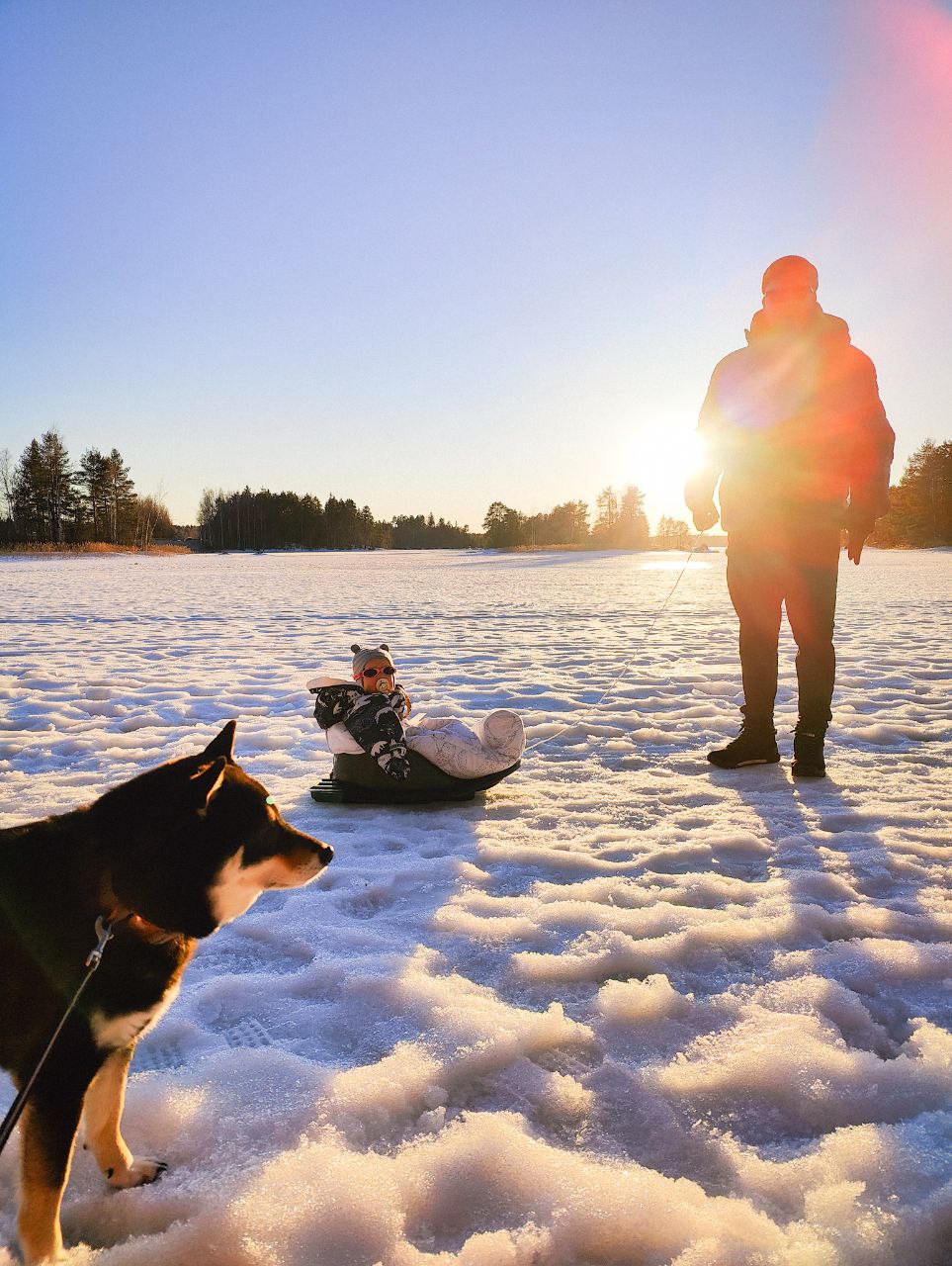
Does parenting ever feel like navigating a storm without a map?

Sometimes, I truly feel that raising a child is like surviving in a snowstorm. However, this snowstorm is kind of cute, and you can’t help but focus on their good qualities. Once you find a safe spot on your common journey—like finally balancing the daily routine, so your baby is sleeping well at night—beware! Babies are constantly growing, and their needs are always changing. Before you know it, you’ll find yourself back in the middle of the storm. Don’t be surprised! Accept it.
This is the true nature of parenting, and eventually, you’ll learn to maintain balance even in the storm. All you need to do is believe in yourself!
That’s why I find the Finnish concept of Sisu so relevant to parenting.
What is SISU?
Sisu is a Finnish concept that embodies perseverance, resilience, and an inner strength to overcome challenges, no matter how difficult. It’s not about quick fixes or bursts of energy; instead, it’s a steady, enduring approach to life’s hardships.
SISU
“The extraordinary and indomitable Finnish spirit to never quit and go beyond all limitation especially in the face of extreme adversity “
In parenting, I see Sisu as the ability to stay calm and committed, even during the most overwhelming moments—turning chaos into an opportunity for growth. This cultural foundation encourages Finnish parents to focus on balance, patience, and determination when raising their children.
Blended with a sense of equality and a deep connection to nature, these values make Finnish parenting a source of inspiration for me personally and I beleive that they’re definitely worth sharing. Here are five survival tips from Finland that can transform your parenting journey.
Survival tips for parents from Finland
1. Parenting as a Team: Equal Roles for Moms and Dads
Share the load—parenting works best as a team effort.

In Finland, parenting is a partnership, and responsibilities are split equitably between both parents. As someone who grew up in a patriarchal culture, I always thought parenting was a mother’s responsibility while fathers focused on earning a living. This belief was deeply rooted in my upbringing, where traditional gender roles shaped the dynamic of families. Moving to Finland in the age of 17, however, introduced me to a radically different perspective—one that emphasizes equality in parenting among other parts of life.
From the moment I encountered Finnish values, I realized how transformative shared responsibilities could be for women. Equality in parenting not only lightens the load but also creates space for a woman’s self-development, personal growth, and happiness. Reflecting on my cultural background, I now understand why I’ve seen so many unhappy families where these duties were not shared.
In Finland, parenting as a team isn’t just a practical arrangement; it’s a reflection of societal values that prioritize balance and mutual respect.In Finland, equality in parenting is backed by a robust parental leave system: Both parents are entitled to 160 days of leave, with up to 63 days being transferable between them. This setup gives families the flexibility to divide responsibilities in a way that works best for them, emphasizing shared childcare duties.
For me, embracing this approach has been a revelation—one that I believe holds lessons for families worldwide.
2. Step Into Nature: Break Free from Indoor Comforts
Don’t be afraid to step outside your comfort zone—literally.

In Finland, respect and connection to nature are deeply ingrained values, forming a cornerstone of the Finnish way of life. I hold this value close to my heart. It’s no surprise that Finnish parents view nature as a trusted partner in raising resilient, curious, and healthy children.
While it might be tempting to stay within the comfort of home with its modern conveniences, Finnish parents embrace outdoor life with their little ones. Whether it’s a peaceful hike in the woods or a quiet stroll along a lakeshore, nature is seen as a space for bonding and adventure as a family.
One of the most transformative experiences of my life as a mother was a two-night camping trip with our two-month-old Emilia. We stayed on a rocky lakeside surrounded by serene nature in a designated camping area. It was a bold step for me—a first-time mother who hadn’t ventured on big outings before. Yet, everything fell into place beautifully, and Emilia seemed happy to share this experience with us.
That trip taught me a powerful lesson: stepping out of your comfort zone makes you a stronger, more capable, and more confident parent. Sure, the first time I changed a diaper without running water felt overwhelming, but by the third time, I had the rhythm down. Each small challenge helped me grow more capable and resilient.
This mindset of adaptability freed us to embrace life fully. We played frisbee, visited friends, walked along the beach with a stroller, and spent sunny afternoons lounging by the lake. Our baby wasn’t a limitation; instead, she became an integral part of our adventures.
I firmly believe that when children are immersed in nature from an early age, they develop a lifelong connection with the natural world—a connection rooted in respect and wonder. For mothers, especially those who might feel housebound by fear or uncertainty, this is a reminder: the world outside isn’t daunting; it’s beautiful.
Stepping out and embracing nature can be as healing for you as it is enriching for your child. It’s an opportunity to create shared moments of discovery, build resilience, and reconnect with the beauty that surrounds us.
3. The Finnish Love for Outdoor Adventures – weather conditions does not matter
Rain, snow, or sunshine—outdoor play is non-negotiable!

In Finland, the love for nature runs so deep that even the harshest weather conditions can’t keep families indoors. The saying, “There’s no such thing as bad weather, only bad clothing,” perfectly captures a nationwide belief that staying connected to the outdoors is vital, no matter the season. Rain, snow, or freezing cold, Finnish children can often be found playing on playgrounds, exploring forests, or simply enjoying the fresh air.
The key to this fearless approach? Proper clothing. Finnish parents invest in a variety of weather-specific outfits for their children—think waterproof rain suits, insulated snowsuits, and windproof jackets. Personally, I have six or seven different sets for my daughter, Emilia,so she’s always ready for anything nature throws her way.
One of the most fascinating aspects of this love for the outdoors is how frozen lakes transform into bustling public playgrounds during winter, even when temperatures plunge to -20°C or even -30°C. On a crisp Sunday morning, you’ll see families scattered across the ice, playing football or hockey, ice fishing, sledding, walking their dogs, and even cycling on the frozen surface. It’s a breathtaking testament to how Finns fully embrace the season’s chill and live life to the fullest.
This dedication to the outdoors also extends to a unique tradition: letting infants nap outside, even in sub-zero temperatures. Research suggests that these naps can enhance sleep quality, strengthen the immune system, and support healthy development. For parents, it offers a precious window of quiet—a chance to savor a peaceful coffee break while their baby snoozes snugly in a stroller.
In summary, bad weather does not stop you—it strengthens you. And teaching this resilience to children from a young age fosters a lifelong love and respect for nature, proving that nature is wonderful in any condition.
4. Let Children Be Children: Learning Through Play and Everyday tasks
Through play, children discover the world and their role in it.‘

In Finland, there’s a profound emphasis on letting children enjoy their childhood. It’s rare to see young children sitting at desks, laboring over workbooks. Instead, they learn vital skills through play, exploration, and hands-on activities. This philosophy is rooted in the Finnish educational framework, which embraces the Learning Through Play pedagogy—a child-centered approach that fosters creativity, curiosity, and joy in learning.
When my child first entered daycare, the introductory letter clearly outlined their philosophy: children are encouraged to develop naturally, at their own pace, through engaging play. In the daycare, children spend their time playing a variety of age-appropiate games, enjoy nature walks and forest exploration, have picnics on playgrounds and grow vegatables during the summer and cook them in a small kiychen once ready. These experiences not only foster creativity and curiosity but also teach them valuable life skills in a playful, natural way.
This method aligns with principles similar to the Montessori approach, emphasizing the importance of nurturing independence from a young age. Therefore, beyond structured play, Finnish parenting involves encouraging children to participate in everyday life. Whether it’s helping to sort laundry, assisting with meal preparation, or holding the leash while walking the dog, children are integrated into family routines in safe, age-appropriate ways. This hands-on involvement allows kids to gain practical skills, feel capable, and build confidence.
The focus is never on forcing adult-like tasks, but on providing a secure environment where children can safely experiment with responsibility. This balance of playful learning and gentle exposure to real-world activities equips Finnish children with independence and resilience that will serve them throughout their lives.
5. Support, Support, and More Support: You’re Never Alone in Parenthood!
It’s okay to ask for help. Rememeber that you are not alone!

Parenting is a journey filled with both joys and challenges, and in Finland, the emphasis on supporting parents—especially mothers during the early years—is unparalleled. The Finnish system offers a variety of resources designed to lighten the load and nurture mental well-being.
For example, affordable childcare services, including professional nannies, are readily available to provide relief when parents need a moment to rest, eat, or recharge. These services are accessible to all, ensuring that no parent feels overwhelmed. Additionally, Finland boasts numerous parent-child activity groups, where caregivers can socialize, share experiences, and form supportive networks while children engage in age-appropriate play.
There are also local community clubs that bring together families with children of similar ages and neighborhoods, fostering a sense of belonging and shared understanding. For more specialized needs, mental health support is widely available through counseling services, hotlines, and online resources.
The message is clear: in Finland, parents are never left to navigate the complexities of raising children alone. Seeking help is not only encouraged but celebrated as a step toward maintaining balance and resilience. Parenthood is hard work, but it doesn’t have to be isolating. Remember, asking for support is a sign of strength—not weakness.
In summary, this post opens the transformative lessons in parenting inspired by Finnish culture, focusing on resilience, equality, and the joy of childhood. I found them very useful in my everyday parenting and I hope you will find something for yourself as well.
Which of these tips resonates most with you? How do you embrace resilience in your parenting journey?
 in balance.
Leave a comment